Ensuring Safety Compliance In Carbon Steel Pipe Supply
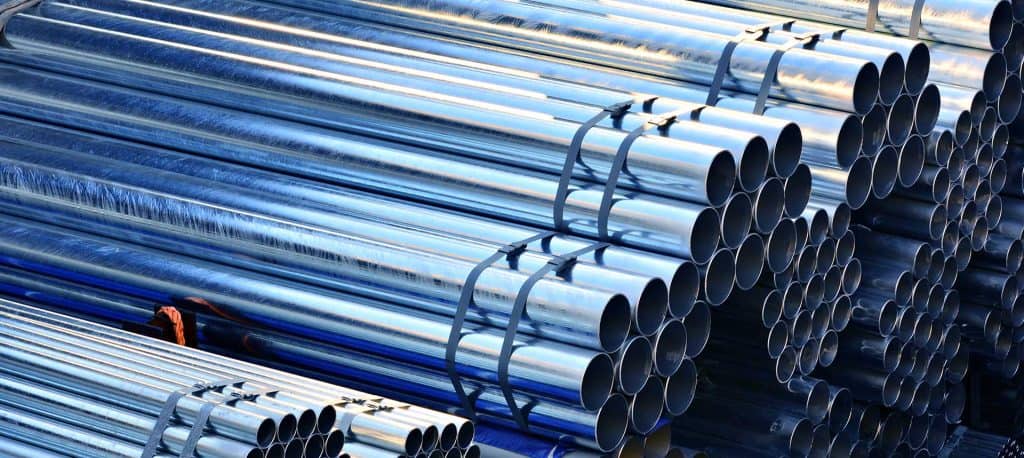
We live in a world built on strong foundations. The water in our homes, the energy that powers our days, and the structures we work in often rely on a hidden network of carbon steel pipes.
These pipes are strong and dependable. But their strength depends entirely on how they are made, handled, and supplied. A single weak link can cause big problems. This is why safety compliance is not just a rulebook; it is the core of a trustworthy supply chain.
Starting with the right material:
The first step happens at the very beginning. Reputable carbon steel pipe suppliers in UAE get their raw materials from known sources. They check the quality of the steel before any pipe is made. This means verifying the chemical makeup and properties of the metal. Good raw materials are the foundation for a safe and reliable pipe.
Watching the production process:
Making a carbon steel pipe involves high heat and pressure. During production, strict factory rules must be followed. Independent inspectors often visit the production sites. They watch the process to ensure every pipe is made to the correct standards. This oversight helps catch any issues early.
Checking every piece:
After production, the pipes are not just bundled up and shipped out. Each batch goes through a series of checks. Tests measure the pipe’s strength, thickness, and ability to hold pressure. Special machines might be used to find hidden flaws. Pipes that do not pass these tests are set aside.
Clear and honest paperwork:
A safe pipe comes with a clear identity. This is its certification. These documents are like a birth certificate for the pipe. They list its size, grade, and the results of all its tests. Honest and complete paperwork allows the buyer to confirm the pipe is right for their project.
Safe handling and storage:
A perfect pipe can be damaged on its way to a job site. Suppliers must handle pipes with care to prevent dents, scratches, or bends. Proper storage is also key. Pipes should be kept off the ground and protected from rain and dirt. This prevents rust and keeps them in perfect condition.
Building trust through partnership:
Finally, safety compliance is about partnership. The best suppliers talk openly with their customers. They provide all the necessary information and are clear about their processes. This builds a relationship based on trust.